Take drama out of your relationships.
I’m Natalie, an author and self-esteem and relationship coach who’s been helping people break the cycle of emotional unavailability, shady relationships, and settling for crumbs since 2005. I help you discover how to have fulfilling, loving relationships with yourself and others.
AS SEEN IN

Ready to break up with struggling with dating and relationships?
RELATIONSHIP FUNDAMENTALS ONLINE CLASSES ARE HERE TO GUIDE YOU!
Taking the drama out of your relationships means no longer depending on someone for your needs and self-worth. It means no longer accepting less than love, care, trust and respect from anyone, including yourself.
LET’S BREAK THE CYCLE BY LEARNING HOW TO TAKE CARE OF YOU.
The Blog
I’ve been looking under the hood of interpersonal relationships and human behaviour for eighteen years (such as why we’re attracted to emotionally unavailable people), putting a name and conversation to subjects that weren’t being talked about (e.g. Future Faking and Fast Forwarding) as well as exploring the painful issues that all too often leave us feeling not ‘good enough’ and afraid of vulnerability, intimacy, and abandonment.
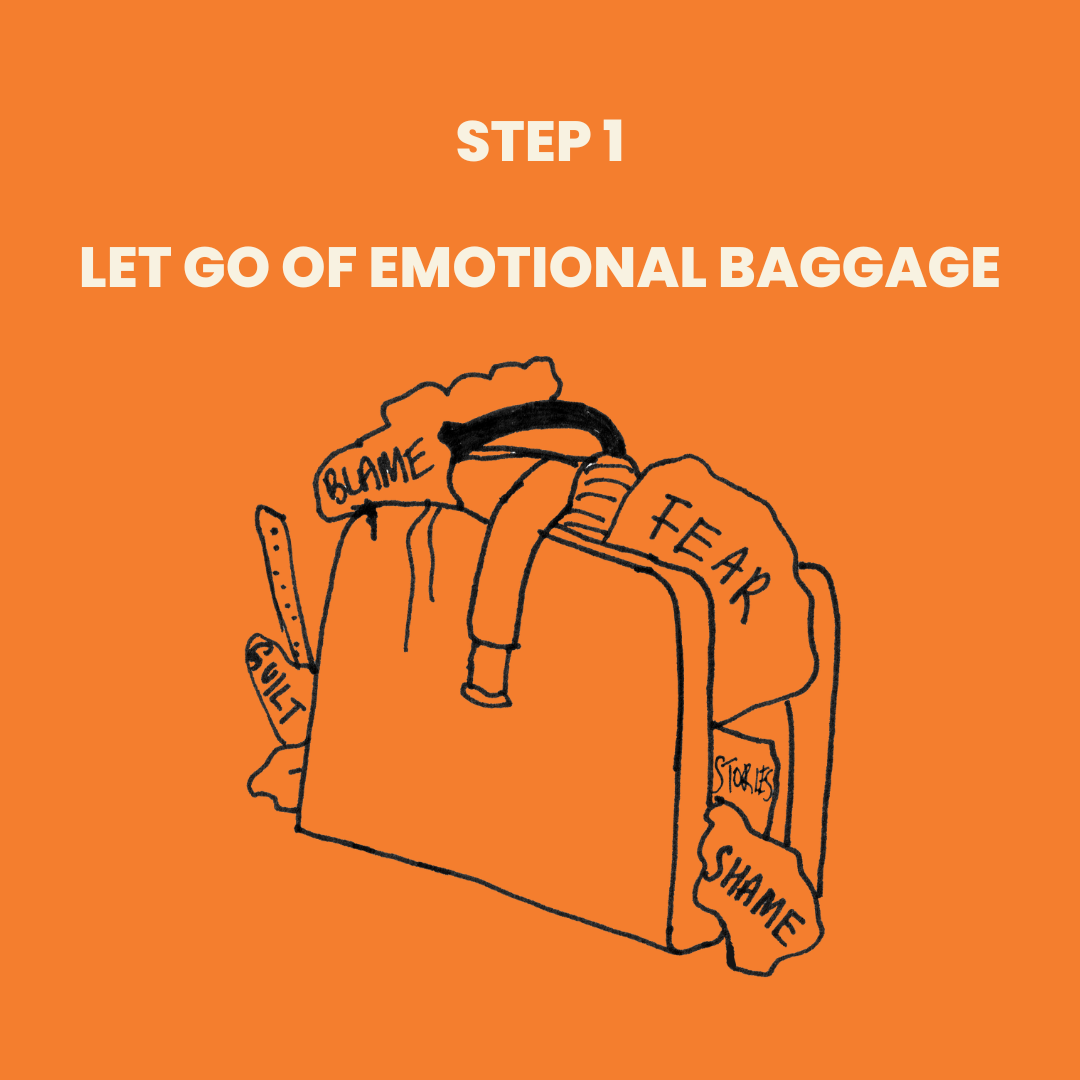
It’s incredibly important to talk about the stuff that often leaves us riddled with anxiety, shame and confusion so that we tidy up our emotional baggage and free ourselves up to love and be loved.
The blog dives deep into topics including emotional unavailability, people pleasing, perfectionism, shady relationships, healing old wounds, and so much more.
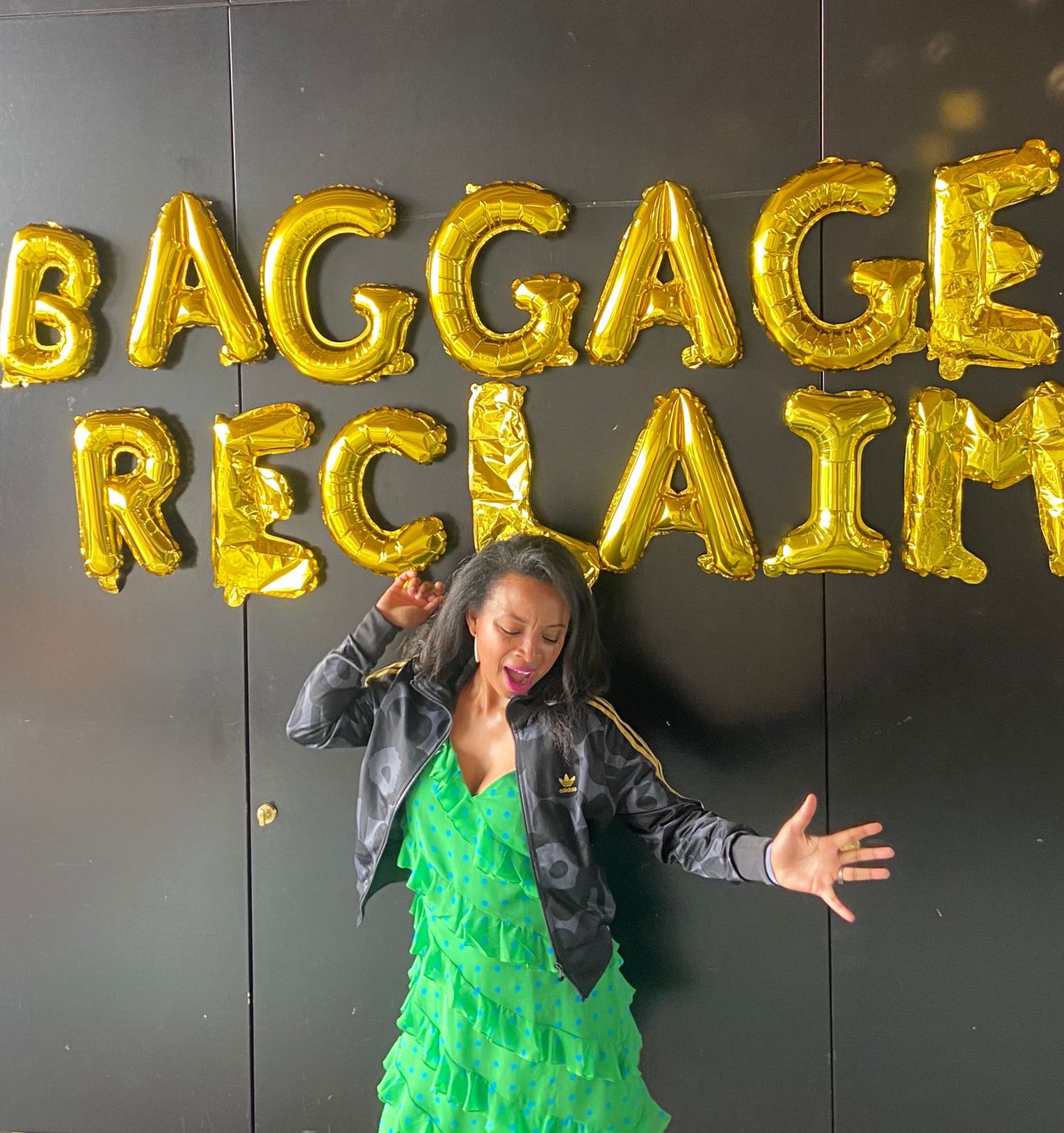
The Baggage Reclaim Sessions podcast
With 278 episodes ready for you to dive into, I help you live and love with more self-esteem by reclaiming yourself from the emotional baggage that causes patterns like emotional unavailability, people pleasing, being in shady relationships and situations, and not taking care of yourself.
over 4.5 million downloads